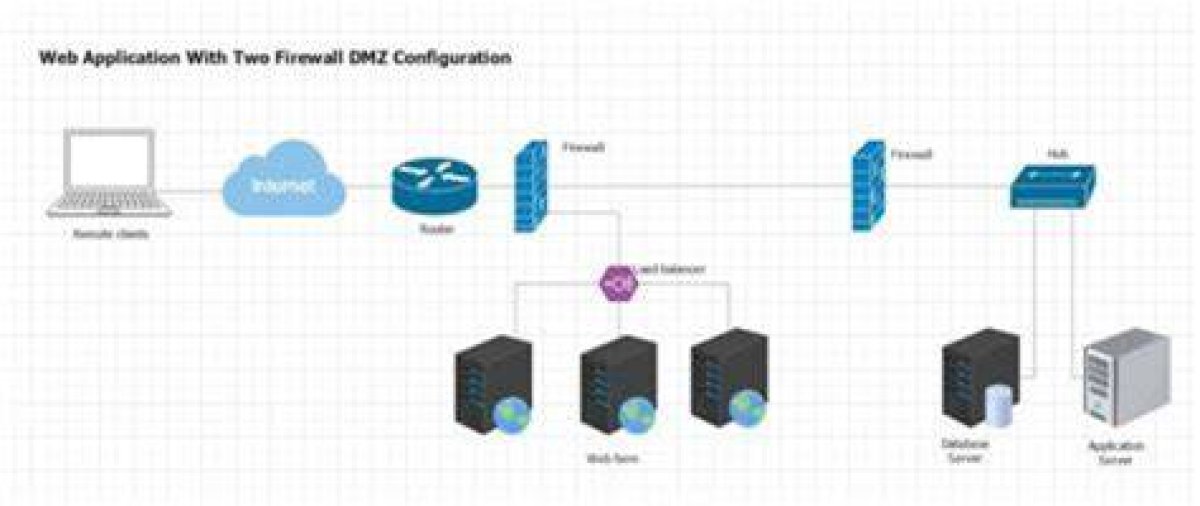
Using RemoteIoT behind a firewall on Windows can be a complex task, but with the right strategies, you can achieve secure and efficient connectivity. Firewalls are designed to protect your network from unauthorized access, but they can sometimes block legitimate traffic. This guide will help you navigate through this challenge and ensure seamless operation of RemoteIoT while maintaining security.
Whether you're a network administrator, IT professional, or simply someone looking to connect devices securely, understanding how to configure RemoteIoT behind a firewall is crucial. This article will walk you through the necessary steps, tools, and best practices to ensure a smooth setup.
By the end of this guide, you'll have a comprehensive understanding of how to configure RemoteIoT on Windows while ensuring that your firewall settings do not interfere with its functionality. Let's dive in!
Introduction to RemoteIoT
RemoteIoT is a powerful tool designed to facilitate communication between devices, especially in IoT (Internet of Things) environments. It allows devices to interact seamlessly, regardless of their physical location. This is particularly useful in industries such as manufacturing, healthcare, and logistics, where real-time data exchange is critical.
However, when using RemoteIoT behind a firewall, there are several considerations to keep in mind. Firewalls are essential for network security, but they can also block the necessary communication channels for RemoteIoT. Understanding how to configure your firewall to allow RemoteIoT traffic is vital for its successful implementation.
Some key features of RemoteIoT include:
- Secure data transmission
- Real-time communication
- Scalability for large networks
- Compatibility with various devices and platforms
Firewall Basics
A firewall is a network security system that monitors and controls incoming and outgoing network traffic based on predetermined security rules. It acts as a barrier between your internal network and the external world, protecting your system from unauthorized access.
Types of Firewalls
There are several types of firewalls, each with its own strengths and weaknesses:
- Packet-filtering firewalls
- Stateful inspection firewalls
- Application-layer firewalls
- Next-generation firewalls
For RemoteIoT, it's important to use a firewall that can handle application-layer filtering to ensure that only legitimate RemoteIoT traffic is allowed through.

