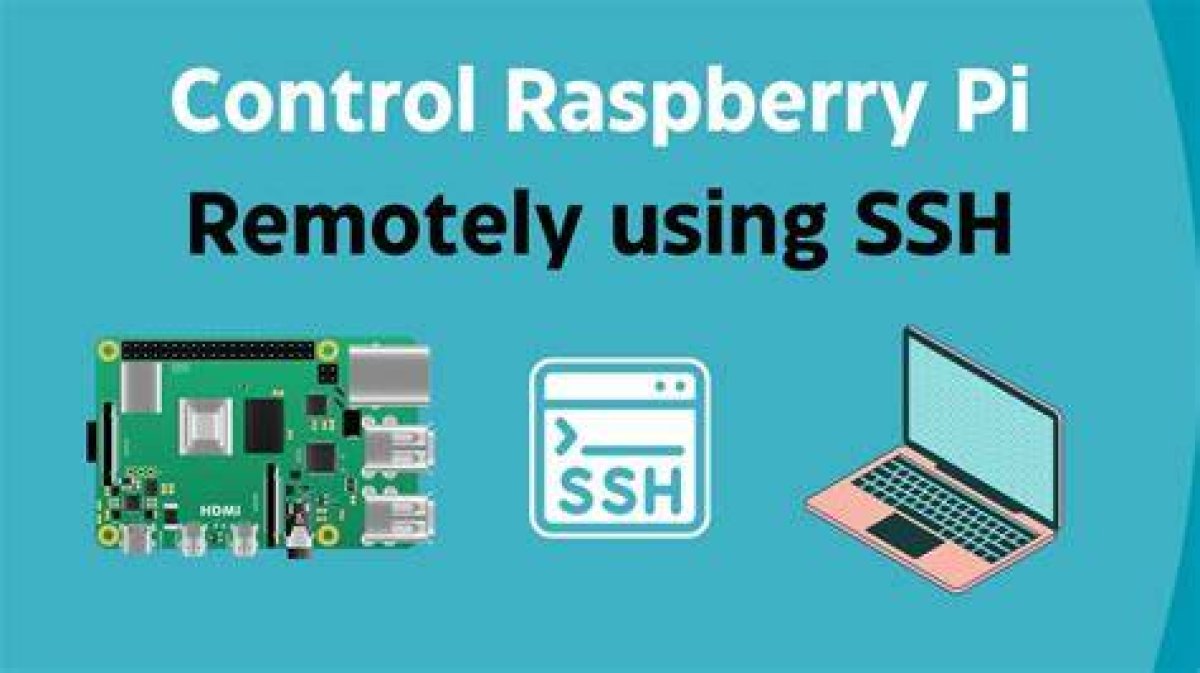
Remote control Raspberry Pi over the internet has become an essential skill for tech enthusiasts, developers, and hobbyists alike. As the Internet of Things (IoT) continues to grow, the ability to remotely manage and interact with your Raspberry Pi from anywhere in the world opens up countless possibilities. Whether you're a beginner or an advanced user, this guide will provide you with everything you need to know to set up and securely manage your Raspberry Pi remotely.
Imagine being able to monitor your home security system, control smart devices, or access files stored on your Raspberry Pi from the comfort of your office or while traveling. Remote access not only enhances convenience but also increases productivity. However, with great power comes great responsibility. Securing your Raspberry Pi from unauthorized access is crucial, and we’ll explore the best practices to ensure your setup is both functional and secure.
This article will walk you through the process of setting up remote access for your Raspberry Pi, including step-by-step instructions, troubleshooting tips, and advanced configurations. By the end of this guide, you’ll have the knowledge and tools to confidently control your Raspberry Pi over the internet.
Introduction to Remote Control Raspberry Pi Over Internet
The Raspberry Pi is a powerful yet affordable single-board computer that has revolutionized the way we approach technology. Its versatility makes it suitable for a wide range of applications, from home automation to data centers. However, one of the most exciting features of the Raspberry Pi is its ability to be controlled remotely over the internet.
Remote control Raspberry Pi over the internet allows you to interact with your device without being physically present. This capability is particularly useful for managing IoT devices, hosting servers, or accessing files from anywhere in the world. By leveraging secure communication protocols and cloud services, you can ensure that your Raspberry Pi remains accessible and protected.
In this section, we'll explore the basics of remote control and the benefits it offers to users. Whether you're setting up a personal project or managing a professional server, understanding the fundamentals of remote access is essential.
Why Remote Control Raspberry Pi Over Internet?
There are numerous reasons why controlling your Raspberry Pi over the internet is beneficial. Here are some of the key advantages:
- Convenience: Access your Raspberry Pi from anywhere in the world using any device with an internet connection.
- Flexibility: Manage multiple Raspberry Pi devices simultaneously, making it easier to scale your projects.
- Security: Implement advanced security measures to protect your device from unauthorized access.
- Cost-Effective: Save on hardware costs by leveraging cloud-based solutions for remote access.
- Automation: Automate tasks and processes by remotely controlling your Raspberry Pi.
These benefits make remote control Raspberry Pi over the internet a must-have skill for anyone working with IoT or embedded systems. As technology continues to evolve, the ability to manage devices remotely will only become more important.

