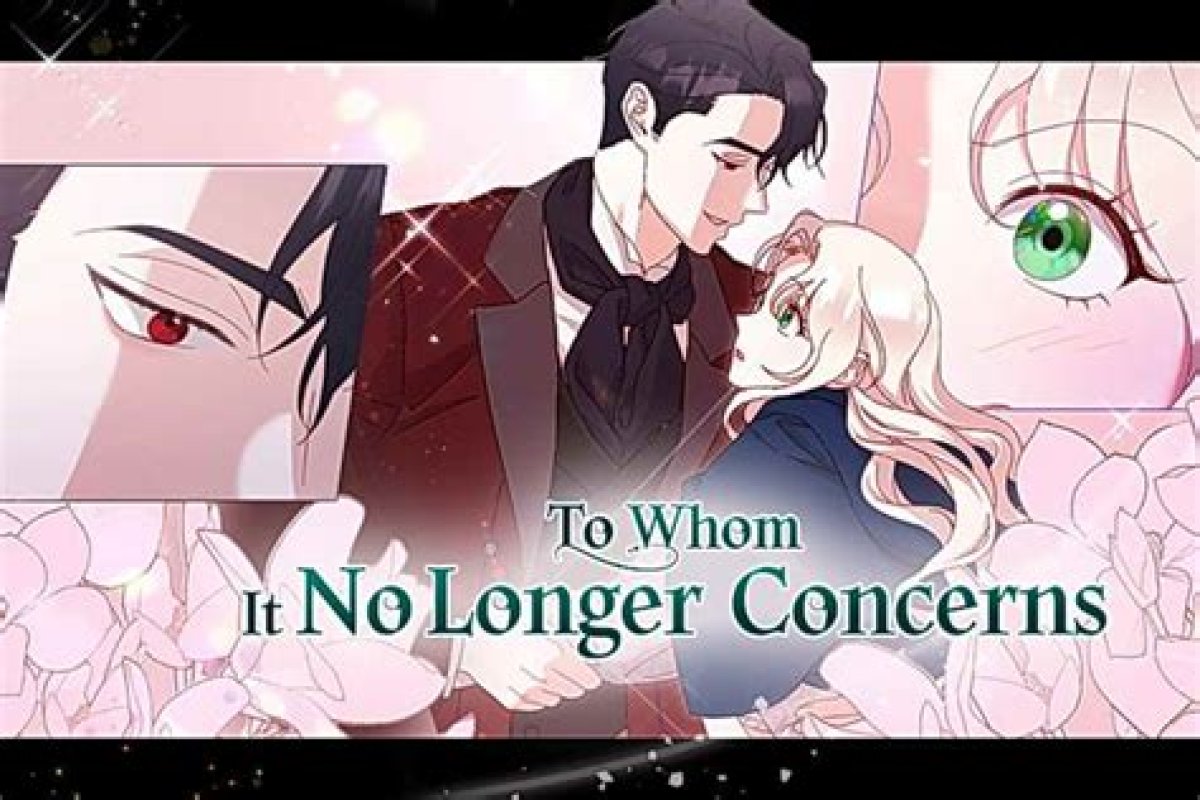
Chapter 13 of "To Whom It No Longer Concerns" delves into the complexities of human relationships and the impact of societal expectations. This chapter serves as a pivotal point in the narrative, exploring themes of identity, belonging, and the struggle for autonomy. As we navigate through the intricacies of this chapter, we uncover the layers of meaning that contribute to the overarching storyline.
In this analysis, we will break down the key elements of Chapter 13, examining the characters, their motivations, and the societal context in which they operate. Our exploration will not only highlight the significance of this chapter within the broader narrative but will also provide insights into the author's intent and the messages conveyed through the characters' experiences.
As we proceed, we will utilize a structured approach, summarizing important plot points, character developments, and thematic representations. This will help readers gain a comprehensive understanding of the chapter and its implications, ensuring that our discussion is both informative and engaging.
Chapter Overview
Chapter 13 serves as a turning point in "To Whom It No Longer Concerns," where pivotal events unfold that shape the characters’ destinies. The chapter opens with a reflection on past choices, emphasizing the burden of regret that weighs heavily on the protagonist.
Key Plot Points
- The protagonist confronts a significant decision that challenges their moral compass.
- Relationships are tested as characters grapple with their inner conflicts.
- A revelation occurs that alters the course of the narrative.
Character Analysis
The characters in Chapter 13 are intricately woven into the fabric of the story. Their development is crucial for understanding the chapter's impact.
Protagonist's Journey
The protagonist undergoes a significant transformation in this chapter. Initially portrayed as indecisive and burdened by societal expectations, they begin to assert their individuality.
Supporting Characters
- Character A: Represents societal norms and the pressure to conform.
- Character B: Embodies the struggle for personal freedom and authenticity.

